

schwinn bicycle manual
Schwinn Bicycle Manual: A Comprehensive Guide
Welcome to the definitive resource for your Schwinn bicycle! This manual provides detailed instructions, safety guidelines, and maintenance tips for optimal riding enjoyment and longevity.
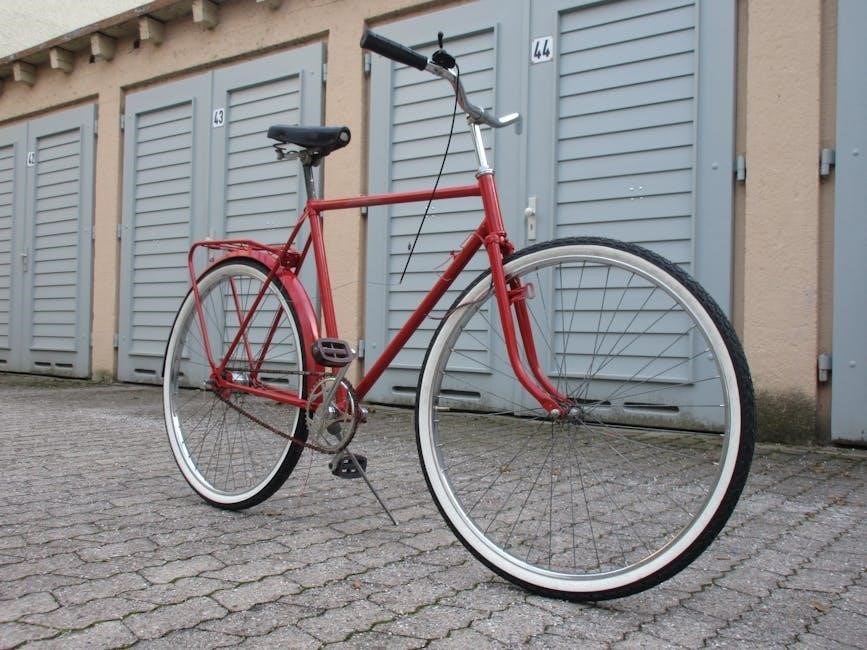
Congratulations on choosing a Schwinn bicycle! For generations, Schwinn has been synonymous with quality, innovation, and the joy of cycling. This manual is designed to help you get the most out of your new bike, ensuring years of reliable performance and enjoyable rides.
Whether you’re a seasoned cyclist or just beginning your two-wheeled adventure, understanding your bicycle is key to a safe and satisfying experience. This guide covers everything from identifying the various components to performing essential maintenance tasks. We’ll walk you through pre-ride inspections, proper riding techniques, and troubleshooting common issues.

Please take the time to read this manual thoroughly before your first ride. Familiarize yourself with the features of your specific Schwinn model and the recommended maintenance schedule. Your safety and enjoyment are our top priorities. Let’s get rolling!
Understanding Bicycle Components
Your Schwinn bicycle is a system of interconnected parts, each playing a crucial role in its performance and your riding experience. This section will provide an overview of the major components, helping you identify and understand their functions. We’ll explore the frame and fork, the foundation of the bike, and delve into the intricacies of the wheels and tires – your connection to the road.
The drivetrain, encompassing gears, chains, and derailleurs, is responsible for translating your pedaling power into forward motion. Understanding how these components work together is essential for efficient riding and smooth gear changes. We’ll also briefly touch upon the braking system, steering, and saddle, highlighting their importance for control and comfort.
Familiarizing yourself with these components will not only enhance your appreciation for your Schwinn but also empower you to perform basic maintenance and identify potential issues.
Frame & Fork – Identifying Materials & Geometry
The frame and fork are the structural heart of your Schwinn, dictating its handling, comfort, and overall ride quality. Schwinn frames are commonly constructed from aluminum alloy, steel, or carbon fiber, each offering distinct characteristics. Aluminum provides a lightweight and corrosion-resistant option, while steel offers durability and a comfortable ride feel.
Carbon fiber is the lightest material, prized for its stiffness and vibration damping. Frame geometry – the angles and lengths of the tubes – significantly impacts handling. A more relaxed geometry prioritizes comfort for leisurely rides, while a steeper geometry enhances responsiveness for performance-oriented cycling.
The fork, connecting the front wheel to the frame, also influences steering. Identifying the material and geometry of your frame and fork will help you understand your bike’s intended use and optimize its performance.
Wheels & Tires – Types, Pressure & Maintenance
Your Schwinn’s wheels and tires are crucial for a smooth and efficient ride. Wheels consist of a hub, spokes, and a rim, while tires provide traction and cushioning. Tire types vary – road tires are slick and fast, mountain bike tires have aggressive treads for grip, and hybrid tires offer a balance.
Maintaining proper tire pressure is vital for performance and preventing pinch flats. The recommended pressure (PSI) is printed on the tire sidewall. Regularly inspect tires for cuts, bulges, or excessive wear.
Wheel maintenance includes checking spoke tension and ensuring the wheel is true (straight). A wobbly wheel indicates loose spokes or a bent rim. Proper tire pressure and wheel maintenance enhance safety, efficiency, and prolong the life of your components.
Drivetrain – Gears, Chains & Derailleurs Explained
The drivetrain is the heart of your Schwinn, responsible for transferring power to the wheels. It comprises the crankset, chainrings, cassette (rear gears), chain, derailleurs (front and rear), and shifters. Gears allow you to adjust resistance for varying terrain. Lower gears are easier for climbing, while higher gears are for speed on flat ground.
The chain connects the chainrings to the cassette. Derailleurs move the chain between gears. Proper chain lubrication is essential for smooth shifting and preventing wear. A worn chain will damage the cassette and chainrings, requiring costly replacements.
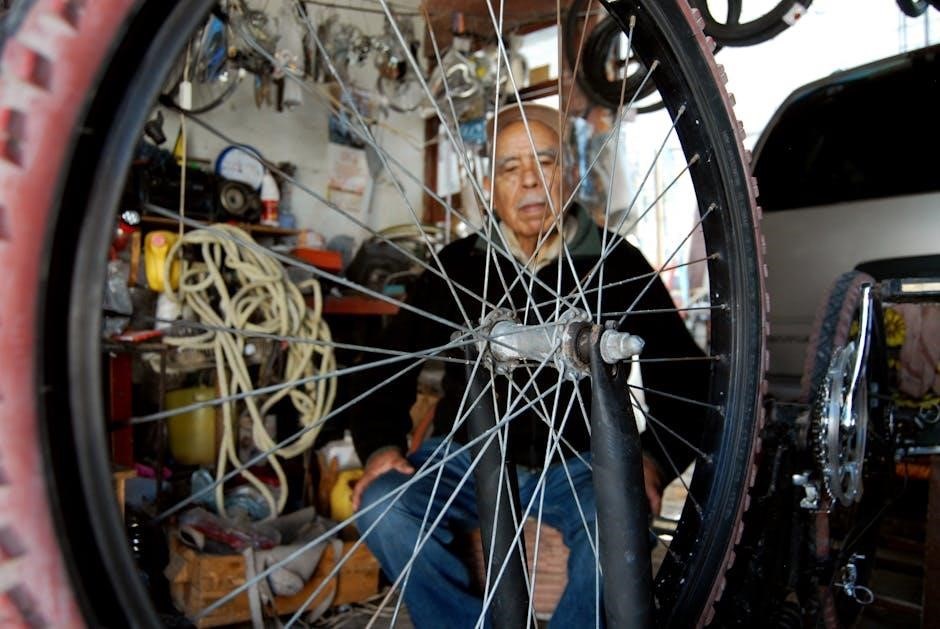
Regularly inspect the chain for rust and wear. Keep derailleurs clean and adjusted for precise shifting. Understanding your drivetrain ensures efficient power transfer and a pleasurable riding experience.
Pre-Ride Inspection Checklist
Before each ride, a quick inspection is crucial for safety and performance. This checklist ensures your Schwinn is in optimal condition. First, check tire pressure – properly inflated tires improve efficiency and prevent pinch flats. Inspect tires for cuts or wear. Next, verify brake functionality; levers should feel firm, and brakes should engage effectively.
Ensure the chain is lubricated and running smoothly. Check that the quick-release levers (wheels and seatpost) are securely fastened. Briefly test the shifting to confirm gears change cleanly. Finally, listen for any unusual noises – clicks, squeaks, or rattles – that might indicate a problem.
Taking a few minutes for this pre-ride check can prevent accidents and ensure an enjoyable cycling experience. Prioritize safety!
Brake System Check – Ensuring Safe Stopping Power
Your Schwinn’s brakes are paramount for safety; regular checks are essential. Begin by inspecting the brake levers – they should feel firm and responsive, not spongy. Squeeze each lever individually; the brake pads should engage the rim or rotor smoothly and evenly, without rubbing when released.
Examine the brake pads for wear. If they’re worn close to the metal backing, replacement is necessary. Check brake cables for fraying or rust. For disc brakes, ensure the rotors are clean and free of contamination. Verify that the brake calipers are securely mounted.
Adjust brake cable tension if needed, ensuring sufficient stopping power without excessive effort. A properly functioning brake system is non-negotiable for a safe ride.
Tire Inflation & Condition – Maximizing Performance & Safety
Maintaining correct tire pressure and condition significantly impacts your Schwinn’s performance and safety. Check tire pressure before each ride using a reliable gauge. The recommended PSI (pounds per square inch) is printed on the tire sidewall – adhere to this range.
Under-inflated tires increase rolling resistance and risk pinch flats, while over-inflated tires reduce grip and comfort. Inspect tires for cuts, bulges, or embedded debris. Remove any foreign objects immediately. Look for signs of sidewall cracking, indicating age and potential failure.
Ensure tires are properly seated on the rims. Regularly check tread wear; replace tires when the tread is worn smooth or damaged. Proper tire maintenance enhances ride quality and prevents accidents.
Chain Lubrication & Tension – Smooth Shifting & Longevity
A well-lubricated and properly tensioned chain is crucial for smooth shifting and extending the life of your Schwinn’s drivetrain. Regularly apply a bicycle-specific chain lubricant, wiping off excess to prevent dirt buildup. Dirty chains wear faster and cause poor shifting performance.
Check chain tension by lifting the chain midway between the front and rear sprockets. It should have approximately ½ inch of vertical play. Excessive slack indicates a worn chain or incorrect adjustment. A tight chain restricts movement and stresses components.
Regular cleaning and lubrication minimize friction and corrosion. Inspect the chain for stiff links or damage. Replace the chain when it reaches a certain level of stretch, preventing wear on the cassette and chainrings. Consistent chain care ensures efficient and reliable riding.
Riding Techniques & Safety

Prioritizing safety and employing proper riding techniques are paramount for an enjoyable Schwinn experience. Always wear a properly fitted helmet, and consider bright clothing for increased visibility. Be aware of your surroundings, anticipating potential hazards like pedestrians, vehicles, and road debris.
Practice smooth and controlled riding, utilizing hand signals to communicate your intentions to others. Maintain a safe following distance and be predictable in your movements. Scan the road ahead for obstacles and potential dangers.
Understanding gear usage enhances efficiency and control. Shift gears proactively to maintain a comfortable cadence, adapting to varying terrain. Remember, responsible riding ensures your safety and the safety of those around you. Enjoy the ride, but always ride defensively!
Proper Riding Posture – Comfort & Efficiency
Achieving a comfortable and efficient riding posture is crucial for longer rides and preventing fatigue. Maintain a slight bend in your elbows and knees, acting as natural shock absorbers. Your back should be relaxed, not hunched or overly arched.
Adjust your saddle height so that your leg is almost fully extended at the bottom of the pedal stroke. A properly adjusted seat minimizes strain and maximizes power transfer. Keep your shoulders relaxed and your head up, looking ahead to anticipate road conditions.
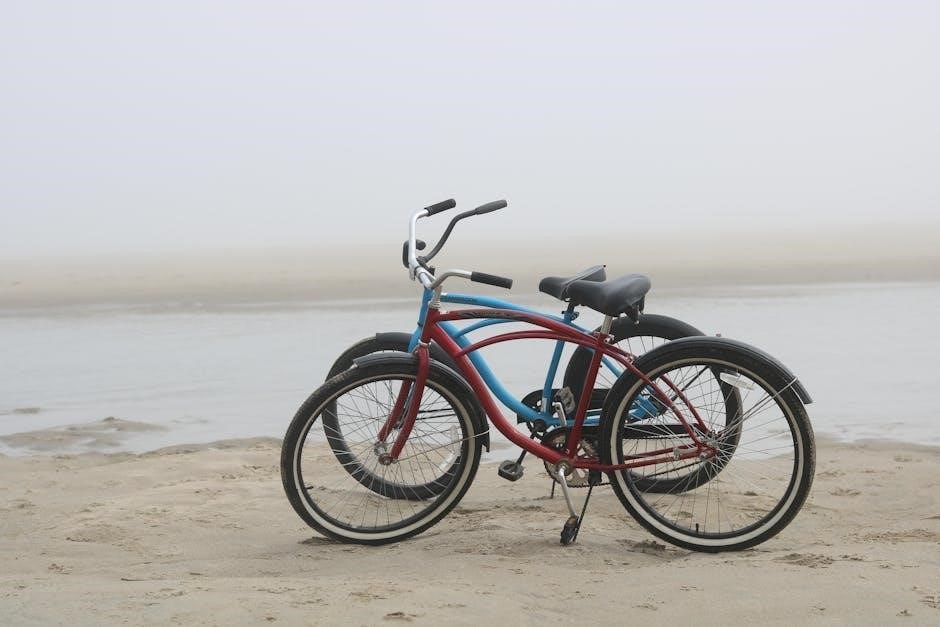
Your hands should grip the handlebars firmly, but not tightly. Avoid locking your elbows, which can lead to discomfort. A balanced posture distributes your weight evenly, enhancing control and reducing strain. Experiment to find what feels most natural and comfortable for you.
Safe Cycling Practices – Rules of the Road & Awareness
Prioritizing safety is paramount when riding your Schwinn. Always obey local traffic laws, including stop signs, traffic signals, and lane markings. Use hand signals clearly and predictably to indicate turns and stops to motorists and pedestrians.
Ride with traffic, not against it, and maintain a visible profile. Wear bright clothing, especially during low-light conditions, and consider using reflective gear. Be aware of your surroundings – anticipate potential hazards like parked cars, potholes, and pedestrians.
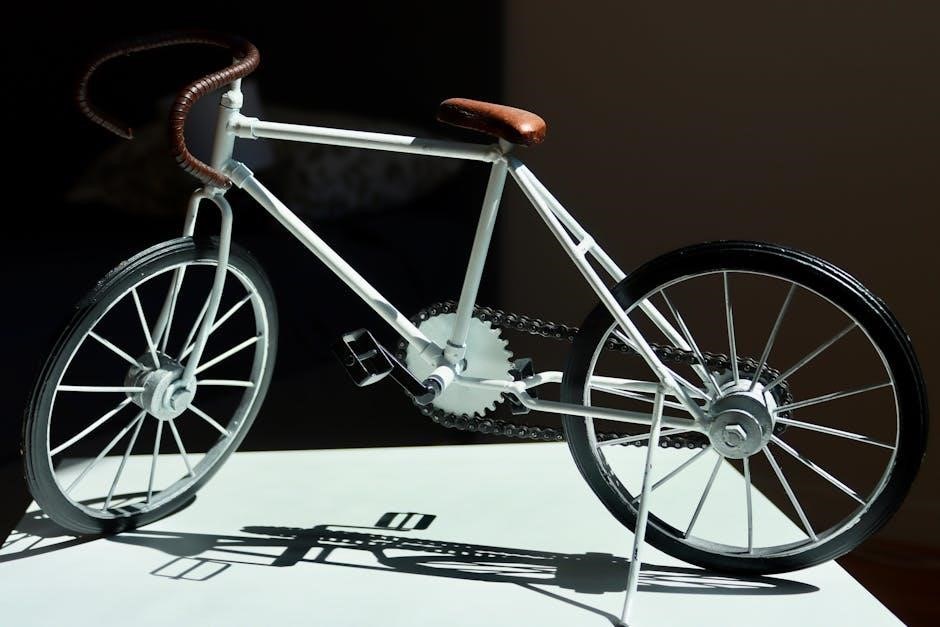
Utilize bike lanes when available, and be cautious when merging with traffic. Make eye contact with drivers whenever possible to ensure they see you. A helmet is non-negotiable; it’s your first line of defense in a crash. Ride defensively and assume others may not see you.
Gear Shifting – Optimizing for Terrain & Effort
Mastering gear shifting enhances your cycling experience. Your Schwinn’s drivetrain allows you to adjust resistance based on terrain and your desired effort level. Lower gears (larger rear cog, smaller front chainring) are for climbing hills or riding into headwinds, providing easier pedaling.
Higher gears (smaller rear cog, larger front chainring) are for flat terrain or downhill sections, allowing for faster speeds with more effort. Shift smoothly and proactively before encountering a hill, not during. Avoid cross-chaining – using the largest front chainring with the largest rear cog, or vice versa – as this strains the drivetrain.
Practice shifting through all gears to become familiar with your bike’s range. Listen for smooth transitions; hesitation or noise indicates a need for adjustment. Efficient gear selection conserves energy and maximizes your riding enjoyment.
Maintenance & Repair
Regular maintenance is crucial for a safe and enjoyable riding experience. This section details essential procedures to keep your Schwinn bicycle in peak condition. Proactive care prevents minor issues from escalating into costly repairs. We’ll cover basic cleaning, brake adjustments, and chain maintenance – skills every cyclist should possess.
Learn to identify signs of wear and tear on components like tires, brake pads, and the chain. Addressing these issues promptly extends the lifespan of your bike and ensures optimal performance. While some repairs are straightforward, others may require a professional bike mechanic. Don’t hesitate to seek expert assistance when needed.
Investing time in maintenance saves money and enhances your connection with your Schwinn. A well-maintained bike is a reliable and rewarding companion on every ride.
Basic Cleaning Procedures – Keeping Your Schwinn Looking New
Maintaining a clean bicycle isn’t just about aesthetics; it protects components from wear and tear. Regular cleaning removes dirt, grime, and debris that can accelerate corrosion and reduce performance. Begin by rinsing your Schwinn with a gentle stream of water – avoid high-pressure washers, as they can force water into bearings.
Use a mild soap specifically designed for bicycles and a soft sponge or brush to scrub the frame, wheels, and components. Pay attention to the drivetrain, removing old lubricant and grime with a degreaser. Rinse thoroughly and dry with a clean cloth.
For stubborn stains, a specialized bicycle cleaner may be necessary. Always follow the product instructions carefully. After cleaning, apply a bicycle polish to protect the paint and enhance shine. A clean bike is a happy bike!
Brake Adjustment – Fine-Tuning for Optimal Performance
Proper brake adjustment is crucial for safety and control. Begin by inspecting the brake pads for wear – replace them if they are worn below the minimum thickness. Ensure the brake cables are properly seated in their housings and are free of kinks or fraying.
For V-brakes, adjust the cable tension using the barrel adjuster on the brake lever or caliper. The pads should contact the rim squarely and evenly. For disc brakes, check the caliper alignment and ensure the rotor isn’t bent. If necessary, loosen the caliper mounting bolts and realign it.
Test the brakes thoroughly after each adjustment. The levers should feel firm and responsive, and the brakes should bring the bike to a controlled stop. If you’re unsure about any aspect of brake adjustment, consult a qualified bicycle mechanic.
Chain Replacement – When & How to Do It
A worn chain significantly impacts shifting performance and can damage your cassette and chainrings. Regularly check chain stretch using a chain wear indicator tool; replacement is necessary when it reaches 0.75% or 1.0% stretch.
To replace the chain, you’ll need a chain tool. Break the old chain using the tool, then use a new chain of the correct speed (matching your drivetrain). Route the new chain through the derailleurs and around the cassette and chainrings, ensuring correct orientation.
Connect the chain using a connecting link or chain pin. Ensure the connection is secure and moves freely. Finally, check the chain length – it should be correct for your bike’s geometry. Proper chain installation ensures smooth shifting and extends the life of your drivetrain components.
Troubleshooting Common Issues
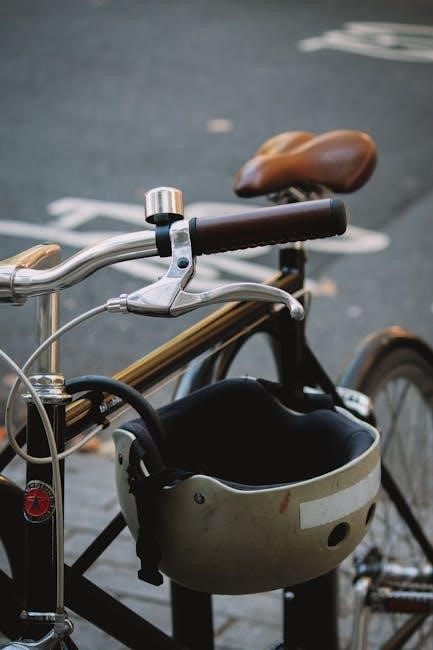
Even with regular maintenance, occasional issues can arise. This section addresses frequently encountered problems and provides solutions to get you back on the road quickly. Common concerns include flat tires, shifting difficulties, and noisy brakes.
Don’t immediately assume a major repair is needed; often, simple adjustments can resolve the problem. Carefully diagnose the issue before attempting a fix. Refer to the detailed guides within this section for step-by-step instructions on repairing a flat tire, adjusting derailleurs for smooth shifting, and identifying the source of squeaky brakes.
Remember safety first! If you’re uncomfortable performing a repair, consult a qualified bicycle mechanic. Addressing issues promptly prevents further damage and ensures a safe and enjoyable riding experience.

Flat Tire Repair – A Step-by-Step Guide
A flat tire is a common cycling inconvenience, but easily addressed with a few tools and this guide. First, safely remove the wheel from your Schwinn. Use tire levers to carefully pry one side of the tire off the rim. Extract the inner tube, checking for the cause of the puncture – a thorn, glass, or other debris.
Inspect the tire’s interior for any remaining sharp objects. Partially inflate the new or patched tube to give it shape. Carefully insert the valve stem into the rim hole, then tuck the tube inside the tire. Starting opposite the valve, work the tire bead back onto the rim using your thumbs.
Ensure the tube isn’t pinched. Inflate the tire to the recommended pressure (printed on the sidewall). Reinstall the wheel and test the brakes before riding.
Derailleur Adjustment – Fixing Shifting Problems
Difficulty shifting gears often stems from derailleur misalignment. Begin by checking the derailleur hanger for bends – a common issue. Use the barrel adjuster on the shifter cable to fine-tune indexing. Turning it clockwise increases tension, moving the chain to larger cogs; counterclockwise reduces tension for smaller cogs.
If significant adjustment is needed, loosen the cable clamp bolt, reposition the cable, and retighten. Ensure the high and low limit screws are properly set to prevent the chain from falling off the cassette or chainrings. The high limit screw restricts outward movement, while the low limit screw prevents inward movement.
A properly adjusted derailleur ensures smooth, precise shifting across all gears, enhancing your Schwinn’s performance and your riding experience.

Squeaky Brakes – Identifying & Resolving the Source
Annoying brake squeal can often be easily resolved. First, check for contamination – oil, dirt, or grime on the brake pads or rims/rotors. Clean these surfaces thoroughly with isopropyl alcohol. Next, inspect the brake pads for wear; replace them if they’re worn below the wear line.
Sometimes, squealing arises from vibrations. Applying a small amount of anti-squeal compound to the back of the brake pads can dampen these vibrations. Ensure the brake calipers are properly aligned with the rotor or rim. Misalignment causes uneven pad contact and noise.
If the squeal persists, check the brake cable housing for damage or compression. Replacing worn housing can improve braking performance and silence unwanted noise, restoring quiet confidence.
Long-Term Care & Storage
Protecting your Schwinn investment requires diligent long-term care. Regular cleaning and lubrication are paramount, even during periods of inactivity. Before extended storage, thoroughly wash and dry the bicycle to prevent corrosion. Apply a protective coating to the frame and components.
Tires should be inflated to the recommended pressure to prevent flat spots; Consider suspending the bike to relieve pressure on the tires entirely. Store your Schwinn in a cool, dry place, away from direct sunlight and extreme temperatures.
Periodically check the bike during storage, and re-lubricate the chain. This proactive approach ensures your Schwinn is ready for immediate riding enjoyment when the season returns, maximizing its lifespan.
Seasonal Maintenance – Preparing for Winter Storage
As the riding season ends, proper winterization is crucial. Begin with a deep clean, removing all dirt and grime with a bicycle-specific cleaner. Thoroughly dry the frame, components, and chain; Apply a generous coat of lubricant to the chain and derailleurs to prevent rust formation during storage.
Inspect tires for wear and tear; consider storing them off the bike to prevent dry rot. Deflate tires slightly to reduce stress on the sidewalls. Clean and lubricate brake cables and housing. If possible, store the bicycle indoors in a dry environment, away from extreme temperatures and humidity.
A final check of all bolts and fasteners ensures everything remains secure throughout the off-season, guaranteeing a smooth start when riding resumes.
Component Wear & Replacement – Knowing When It’s Time
Regular inspection reveals component wear, impacting performance and safety. Chains stretch over time; use a chain wear indicator tool to determine replacement needs. Worn brake pads reduce stopping power – check thickness regularly and replace when nearing the wear limit. Tires exhibit tread wear and sidewall cracking, signaling replacement.
Derailleurs, though durable, can develop play or bent cages, affecting shifting accuracy. Cables stretch and fray, hindering brake and gear function. Bottom bracket creaking indicates bearing wear, requiring servicing or replacement.
Proactive replacement prevents more significant damage and costly repairs. Prioritize safety by addressing worn components promptly, ensuring continued reliable and enjoyable cycling experiences with your Schwinn.
Warranty Information & Support – Your Schwinn Resources
Schwinn stands behind its products with a comprehensive warranty. Please retain your purchase receipt as proof of date for warranty claims. The warranty covers manufacturing defects in the frame and components for a specified period, varying by model – consult your separate warranty documentation for details.
For warranty service, contact the original retailer or Schwinn directly through our customer support channels. Our website, www.schwinnbikes.com, offers FAQs, troubleshooting guides, and contact information.
Schwinn’s dedicated support team is available to assist with any questions or concerns. Additionally, a network of authorized Schwinn dealers provides professional service and repair options. We are committed to ensuring your satisfaction and a positive cycling experience!