

year 7 reading comprehension pdf
Understanding Year 7 Reading Comprehension PDFs
Year 7 reading comprehension PDFs are valuable resources, offering focused practice with diverse passages and questions. These worksheets assess crucial skills for students’ academic growth.
They often include fiction, non-fiction, and poetry, mirroring typical Year 7 curriculum content, and aid in building essential literacy foundations.
What are Year 7 Reading Comprehension PDFs?
Year 7 reading comprehension PDFs are digitally formatted documents designed to evaluate a student’s ability to understand written text at the seventh-grade level. These resources typically contain short passages – often narratives, informational texts, or poems – followed by a series of questions.
These worksheets are widely used by educators and parents for practice, assessment, and reinforcing key reading skills. They are readily available online, offering convenient access to targeted comprehension exercises.

Key Skills Assessed in Year 7 Comprehension
Year 7 comprehension tests focus on identifying main ideas, understanding vocabulary within context, and recognizing key story elements like plot and character development.
Identifying Main Ideas
Year 7 students are frequently assessed on their ability to pinpoint the central theme or argument within a reading comprehension passage. This skill requires discerning the most important information presented.
PDF worksheets often present passages where students must summarize the core message, distinguishing it from supporting details. Successfully identifying main ideas demonstrates a strong grasp of textual understanding and analytical abilities.
Understanding Vocabulary in Context
Year 7 reading comprehension PDFs heavily emphasize understanding words based on how they’re used within a sentence or passage. Students aren’t simply asked for definitions, but rather to deduce meaning from surrounding clues.
This skill is vital for expanding vocabulary and improving overall comprehension. Worksheets often include questions testing this ability, pushing students to become active and insightful readers.
Recognizing Story Elements
Year 7 reading comprehension PDFs frequently assess a student’s ability to identify key story elements like plot, characters, setting, conflict, and theme. These worksheets require students to analyze narratives and pinpoint how these components interact.
Understanding these elements is crucial for deeper comprehension and appreciating the author’s craft. Questions often focus on character motivations and the development of the narrative arc.

Common Passage Types in Year 7 PDFs
Year 7 reading comprehension PDFs commonly feature fiction, non-fiction, and poetry passages. These diverse texts challenge students with varied styles and content.
Fiction Passages: Narrative Structure
Fiction passages in Year 7 reading comprehension PDFs frequently focus on narrative structure. Students analyze plot development, character interactions, and setting descriptions.
These passages often explore elements like exposition, rising action, climax, falling action, and resolution. Comprehension questions test understanding of these components, requiring students to identify key events and their impact on the story.
Analyzing how authors build suspense and create engaging narratives is a core skill.
Non-Fiction Passages: Informational Texts
Non-fiction passages within Year 7 reading comprehension PDFs present informational texts on diverse topics, like history or science. Students practice identifying main ideas, supporting details, and author’s purpose.
These passages emphasize skills like skimming, scanning, and understanding text features – headings, subheadings, and diagrams. Questions assess the ability to synthesize information and draw conclusions from factual content.
Critical analysis of presented facts is key.
Poetry Analysis in Comprehension Tests
Year 7 reading comprehension PDFs frequently include poetry, testing students’ analytical skills beyond literal understanding. Questions focus on identifying poetic devices – simile, metaphor, alliteration – and their effect on meaning.
Students learn to interpret imagery, understand tone and mood, and analyze the poem’s structure; Comprehension isn’t just about what the poem says, but how it says it, fostering deeper engagement.
Figurative language is central to analysis.
Types of Questions Found in Year 7 PDFs
Year 7 reading comprehension PDFs present varied question types: literal, inferential, and vocabulary-based. These assess recall, deeper understanding, and word knowledge, building critical skills.
Literal Questions: Directly from the Text
Literal questions in Year 7 reading comprehension PDFs require students to locate explicitly stated information within the passage. Answers are found directly in the text, testing recall and attention to detail.
These questions often begin with “who,” “what,” “where,” or “when,” demanding precise identification of facts. Successfully answering demonstrates a foundational understanding of the material presented.
They are a crucial starting point for building comprehension skills.
Inferential Questions: Reading Between the Lines
Inferential questions within Year 7 reading comprehension PDFs challenge students to draw conclusions based on evidence within the text, but not directly stated. This requires critical thinking and analysis.
Students must synthesize information, consider context clues, and make logical deductions to determine implied meanings or author’s purpose.
These questions assess a deeper level of understanding beyond simple recall.
Vocabulary-Based Questions
Vocabulary-based questions in Year 7 reading comprehension PDFs evaluate a student’s understanding of word meanings, often testing knowledge within the context of the passage.
These questions may ask students to define unfamiliar words, identify synonyms or antonyms, or determine how specific word choices contribute to the overall meaning.
Strong vocabulary skills are crucial for overall comprehension.

Strategies for Answering Comprehension Questions
Effective strategies, like active reading and the P.O.W.E.R. method, help Year 7 students tackle comprehension questions with confidence and improved accuracy.
Active Reading Techniques
Active reading goes beyond simply decoding words; it’s about engaging with the text. Year 7 students benefit from highlighting key information and annotating passages with notes.
Encourage underlining important details, circling unfamiliar vocabulary, and writing questions in the margins. This fosters deeper understanding and improves recall when answering comprehension questions from PDF worksheets.
These techniques transform passive reading into an interactive learning process.
Using the P.O.W.E.R. Strategy (Predict, Organize, Write, Evaluate, Reread)
The P.O.W.E.R. strategy empowers Year 7 students tackling reading comprehension PDFs. Predict what the text is about, then organize information while reading – perhaps with notes.
Write down key ideas and answers to questions. Evaluate your understanding, and finally, reread challenging sections. This systematic approach boosts comprehension and confidence when working through passages.

Popular Themes in Year 7 Reading Materials
Year 7 materials frequently explore adventure, mystery, and historical fiction. Realistic fiction addressing social issues also appears in comprehension PDFs, fostering empathy and critical thinking.
Adventure and Mystery
Adventure and mystery are consistently popular genres within Year 7 reading comprehension PDFs. Stories often feature courageous protagonists facing challenges, unraveling secrets, or embarking on exciting quests.
These narratives captivate students, encouraging them to actively engage with the text to predict outcomes and analyze character motivations. The inherent suspense builds crucial reading skills.
Passages frequently involve puzzling clues and unexpected twists.
Historical Fiction
Historical fiction frequently appears in Year 7 reading comprehension PDFs, blending engaging narratives with educational content. These passages transport students to different eras, fostering an understanding of past events and cultures.
Comprehension questions often focus on historical accuracy, character interactions within a specific time period, and the impact of historical context on the storyline.
They promote critical thinking and research skills.
Realistic Fiction and Social Issues
Year 7 reading comprehension PDFs often feature realistic fiction exploring relatable themes and social issues. These passages encourage empathy and critical discussion about contemporary challenges faced by young people.
Questions frequently assess understanding of character motivations, conflict resolution, and the author’s message regarding societal norms.
They promote thoughtful reflection and awareness.
Resources for Finding Year 7 Reading Comprehension PDFs
Numerous educational websites offer free Year 7 reading comprehension worksheets. Online learning platforms and publisher websites also provide sample materials for practice.
Educational Websites Offering Free Worksheets
Several websites specialize in providing free reading comprehension resources. Platforms like Reading Comprehension Worksheets offer a variety of Year 7 materials, including nonfiction texts and exercises.
LiveWorksheets provides interactive worksheets, while others host printable PDFs. These sites are excellent starting points for teachers, parents, and students seeking supplemental practice, covering diverse themes and question types.
Online Learning Platforms with Comprehension Exercises
Numerous online learning platforms integrate reading comprehension exercises into their curricula. These platforms often offer adaptive learning, tailoring difficulty to individual student needs.
They frequently include interactive elements, immediate feedback, and progress tracking. Accessing these resources can provide a more engaging and personalized learning experience compared to static PDF worksheets, enhancing skill development.
Publisher Websites Providing Sample Materials
Many educational publishers offer sample Year 7 reading comprehension materials directly on their websites. These samples often include excerpts from textbooks or workbooks, complete with accompanying questions.
Accessing these resources provides insight into the style and content of their published materials, allowing educators and parents to evaluate suitability before purchase, and offering free practice opportunities;

Analyzing Sample Year 7 Comprehension Passages
Examining Year 7 passages reveals common themes like mystery and historical accounts. Careful analysis of questions helps students pinpoint key information and improve understanding.
Example Passage 1: A Mysterious Discovery
Thomas, exploring the attic, discovered a peculiar, smooth stone radiating a faint warmth. Dust motes danced in the single sunbeam illuminating his find. The stone felt strangely familiar, yet he’d never seen it before.
Intrigued, he brought it downstairs, showing his grandmother. She gasped, recognizing it from stories of their family’s past—a legendary ‘Wishing Stone’ lost for generations. Could it truly grant wishes?
This passage tests inference skills; students must deduce the stone’s significance and Thomas’s feelings.
Example Passage 2: A Historical Account
In 1914, Europe stood on the brink of war. Archduke Franz Ferdinand’s assassination ignited a chain reaction of alliances and declarations. Germany’s invasion of Belgium triggered Britain’s entry, escalating a regional conflict into a global one.
Life changed drastically; trench warfare became commonplace, and technological advancements led to unprecedented destruction. This passage assesses factual recall and understanding of cause-and-effect relationships within a historical context.
Students analyze the events leading to World War I.
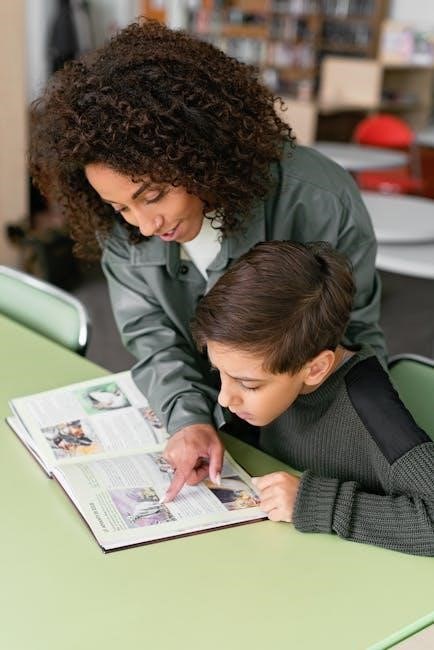
The Importance of Regular Practice
Consistent practice with Year 7 reading comprehension PDFs builds fluency, expands vocabulary, and sharpens critical thinking. Regular engagement fosters improved reading speed and analytical abilities.
Building Fluency and Speed
Year 7 reading comprehension PDFs significantly contribute to building reading fluency and speed. Repeated exposure to varied texts allows students to decode words more efficiently.
This practice reduces cognitive load, enabling faster comprehension and improved focus. Consistent work with these materials helps students become more confident and proficient readers, tackling complex texts with greater ease.
Ultimately, increased speed enhances overall academic performance.
Improving Critical Thinking Skills
Year 7 reading comprehension PDFs are instrumental in honing critical thinking skills. Analyzing passages requires students to identify main ideas, infer meaning, and evaluate author’s purpose.
Answering diverse question types – literal, inferential, and vocabulary-based – fosters analytical abilities.
These worksheets encourage students to move beyond surface-level understanding, promoting deeper engagement with the text and strengthening their reasoning skills.

How Parents Can Support Year 7 Reading Comprehension
Parents can foster growth by discussing passages from Year 7 reading comprehension PDFs with their children, encouraging analysis and thoughtful responses.
Creating a Reading-Rich Environment
Year 7 students thrive when surrounded by books and reading materials. Parents should establish dedicated reading spaces and regularly model reading themselves.
Access to diverse texts, including those found in comprehension PDFs, is key. Encourage exploration of different genres and authors, fostering a genuine love for reading.
Limit screen time and prioritize reading as a valuable leisure activity, supporting academic success and lifelong learning.
Discussing Texts with Their Children
Engaging in conversations about texts, even those from Year 7 reading comprehension PDFs, deepens understanding. Ask open-ended questions about characters, plot, and themes.
Encourage children to articulate their interpretations and support them with evidence from the text. Discuss challenging vocabulary and explore different perspectives presented within the passages.
This fosters critical thinking and strengthens comprehension skills, building confidence and a love for literature.
Common Challenges Students Face
Students often struggle with complex vocabulary and inferential questions within Year 7 reading comprehension PDFs. These hurdles require targeted support and practice.
Difficulty with Complex Vocabulary
Year 7 students frequently encounter unfamiliar words within comprehension passages, hindering their understanding. This impacts not only answering questions correctly but also overall engagement with the text.
Successfully navigating these PDFs requires strategies like using context clues, breaking down words, and actively building vocabulary. Without these skills, comprehension suffers, leading to frustration and reduced confidence.
Struggling with Inferential Questions
Year 7 reading comprehension PDFs often include questions requiring students to “read between the lines.” Many students struggle with these inferential questions, as they demand more than just locating explicit information.
Successfully answering requires critical thinking, drawing conclusions from clues within the text, and making logical interpretations – skills that need consistent practice and development.

Tools and Techniques for Improving Comprehension
Highlighting key details and annotating texts are effective strategies. Graphic organizers, like mind maps, help Year 7 students visualize relationships within reading comprehension PDFs.
Highlighting and Annotating Texts
Highlighting and annotating are powerful tools for Year 7 students tackling reading comprehension PDFs. Encourage them to mark key ideas, unfamiliar vocabulary, and supporting details directly on the text.
Annotation can include brief summaries, questions, or connections to prior knowledge. This active engagement fosters deeper understanding and improves recall, making complex passages more accessible.
These techniques transform passive reading into an interactive learning experience.
Using Graphic Organizers
Graphic organizers significantly enhance Year 7 students’ ability to process information from reading comprehension PDFs. Tools like story maps, Venn diagrams, and cause-and-effect charts visually represent relationships within the text.
These organizers help students identify main ideas, compare and contrast concepts, and sequence events, improving comprehension and analytical skills.
They provide a structured approach to understanding complex passages.